whatsapp
All topics

Osteoporosis: Causes, Risk Factors & Best Treatments

Aid medical

Osteoporosis Explained: Who Is at Risk and the Best Orthopedic Treatments in 2026

Introduction

Have you heard of osteoporosis but aren’t sure how serious it is?
This “silent disease” weakens bones over time and can lead to fractures from minor falls or even daily activities.
In this comprehensive medical guide, you’ll learn what osteoporosis is, who is most at risk, and how modern orthopedic treatment and surgery can help you prevent and manage it—especially for patients in Saudi Arabia.

What Is Osteoporosis?

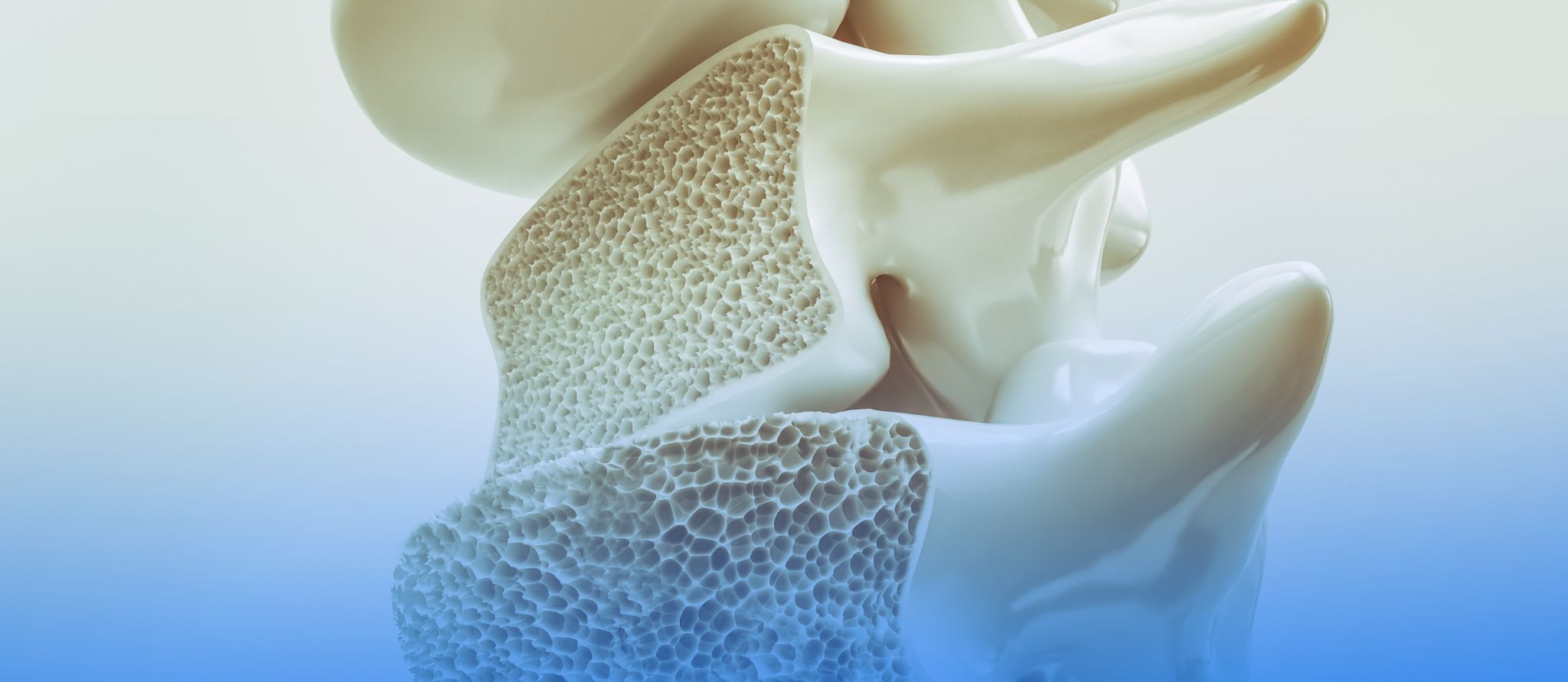
Osteoporosis is a condition where bones become weak and brittle due to decreased bone density and quality.

How does it happen?

  • Loss of calcium and essential minerals
  • Reduced bone regeneration
  • Structural weakening of bone tissue

📊 Fact: 1 in 3 women and 1 in 5 men over the age of 50 are affected by osteoporosis globally.

Osteoporosis vs. Low Bone Density

ConditionDescriptionRisk LevelLow Bone Density (Osteopenia)Mild reduction in bone massModerateOsteoporosisSevere bone lossHigh

Who Is Most at Risk?

1. Women Over 40

  • Especially after menopause
  • Due to decreased estrogen levels

2. Older Adults

  • Natural bone loss increases with age

3. People with Vitamin D and Calcium Deficiency

  • Common in Saudi Arabia due to limited sun exposure

4. Individuals with Unhealthy Lifestyle

  • Sedentary habits
  • Smoking
  • Poor nutrition

5. Family History

  • Genetics play a significant role

Symptoms of Osteoporosis (Often Silent!)

In early stages, osteoporosis may not show clear symptoms.

As it progresses:

  • Back pain
  • Loss of height
  • Stooped posture
  • Frequent fractures (hip, wrist, spine)

⚠️ This is why osteoporosis is often called the “silent disease.”

How Is Osteoporosis Diagnosed?

Doctors typically use:

  • Bone Density Scan (DEXA)
  • Blood tests (Vitamin D, calcium levels)
  • Medical history evaluation

Best Osteoporosis Treatments (Non-Surgical)

Modern orthopedic treatment and surgery focuses first on prevention and strengthening bones.

1. Medications

  • Drugs that slow bone loss
  • Calcium and Vitamin D supplements

2. Nutrition

Essential nutrients:

  • Calcium (dairy, almonds, leafy greens)
  • Vitamin D (sunlight, supplements)

3. Exercise

  • Weight-bearing exercises
  • Strength training
  • Balance exercises to prevent falls

4. Lifestyle Changes

  • Quit smoking
  • Reduce caffeine intake
  • Improve sleep quality

When Is Orthopedic Surgery Needed?

In advanced cases, orthopedic treatment and surgery may be required:

  • Recurrent fractures
  • Hip or spinal fractures
  • Failure of conservative treatments

Treatment Comparison

TreatmentGoalEffectivenessMedicationsStrengthen bonesHighNutritionSupport bodyModerateExerciseImprove balance & strengthHighSurgeryRepair fracturesFor advanced cases

Expert Tips to Prevent Osteoporosis

  • Maintain daily calcium intake
  • Get 15–20 minutes of sunlight daily
  • Stay physically active
  • Screen bone density after age 40
  • Reduce fall risks at home

Frequently Asked Questions (FAQ)

Can osteoporosis be cured completely?

There is no complete cure, but it can be effectively managed and slowed down.

What is the best treatment for osteoporosis?

A combination of medication, proper nutrition, and exercise is most effective.

Is osteoporosis dangerous?

Yes, it increases the risk of fractures that can significantly impact mobility and quality of life.

Does Vitamin D deficiency cause osteoporosis?

Yes, it is one of the leading causes, especially in regions like Saudi Arabia.

When should I get tested?

After age 40 or earlier if you have risk factors.

Osteoporosis should never be ignored.
Early detection and proper care can prevent serious complications and fractures.

If you are at risk or experiencing symptoms, consult a specialist in orthopedic treatment and surgery today to receive a personalized treatment plan.

All topics